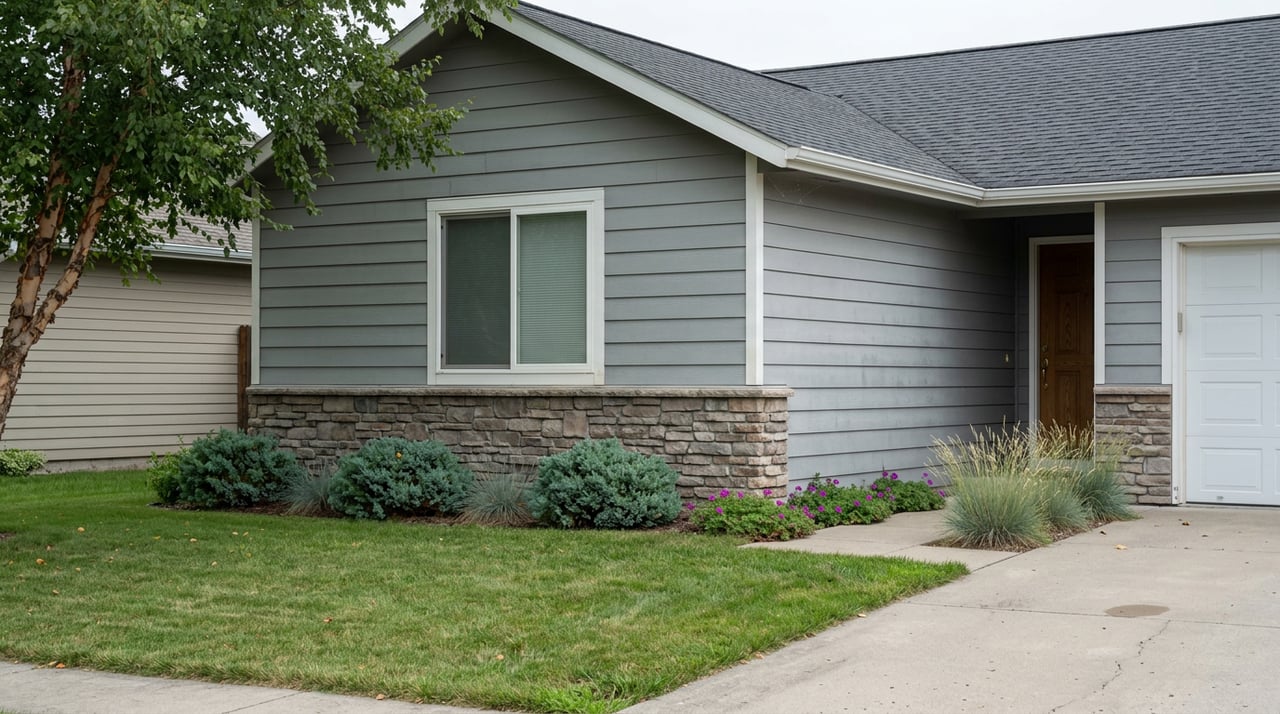
Mine Subsidence Insurance in a Wenona Home Sale
August 27, 2026
August 27, 2026
At some point during nearly every Wenona closing, someone stops on the same line of the disclosure form: whether the seller is aware of "mine subsidence, underground pits, settlement, sliding, upheaval or other earth stability defects on the premises." Buyers read that sentence and picture a dramatic, rare event. Sellers read it and start wondering whether they need to call an insurance agent and buy something nobody has ever sold them.
Neither reaction fits what's actually going on. In Wenona, the coverage in question is very likely already sitting on the seller's homeowner's policy right now, added automatically years ago, with no one in the house ever asking for it or noticing the line item on the declarations page. The real question at closing isn't whether this insurance is needed. It's whether anyone at the table actually knows what's already in force, and whether the paperwork reflects it accurately.
Illinois has required insurers to make mine subsidence coverage available statewide since October 1, 1979, when the state's Mine Subsidence Act took effect. In most of the state, that just means the coverage is available if you ask for it. In 34 counties, the law goes further: subsidence coverage is bundled into the policy automatically and stays there unless the homeowner signs a written waiver to remove it.
Wenona sits across two of those 34 counties. Most of the town is in Marshall County, with a couple of blocks on the east side crossing into LaSalle County, and both counties currently appear on the mandatory list. That distinction matters because it wasn't always true here. A 2010 industry release on subsidence risk in the area described Marshall County as not mandatory at the time, with coverage available only on request. The county's status has since shifted to mandatory, which means a longtime homeowner working off old information, or an out-of-town lender running a generic closing checklist, could easily assume this coverage is optional here when it almost certainly is not.
Two separate Illinois disclosure obligations apply once a Wenona house goes under contract, and they aren't the same thing.
The Residential Real Property Disclosure Act requires the seller to disclose known conditions, using language that limits the duty to what the seller actually knows: "material defects of which the seller has actual knowledge." That's the line about earth stability most people picture as the whole obligation.
The second one is easy to miss. Illinois's Mine Subsidence Disclosure Act separately requires a seller to tell the buyer and the buyer's lender about any insurance claims already paid out for subsidence-related damage on the property. That's a different question from "have you noticed cracks." It's asking whether money has already changed hands over this exact issue, which is the kind of detail that shows up in an insurance file long before it shows up in a wall.
Illinois law defines the "structure" covered by mine subsidence insurance fairly broadly for a residential property: the dwelling itself, along with driveways, sidewalks, parking lots, basements, footings, foundations, septic systems, and the underground pipes that directly serve the house. What it doesn't cover is just as relevant to a Wenona sale.
| Typically covered | Typically not covered |
|---|---|
| Driveways, sidewalks, parking areas | The Illinois homeowners underwriting guidelines exclude personal property and contents |
The Illinois Mine Subsidence Insurance Fund says mine subsidence coverage is capped at $750,000 per residential structure. For the price range most Wenona homes sell in, that cap is rarely the binding constraint. The more relevant question for a buyer is simpler: does the subsidence coverage on the policy actually match the home's insured value, or has it drifted out of step over the years the policy has been renewed.
Ground movement from mine subsidence doesn't resolve in a weekend. It can continue for years, and the Illinois Mine Subsidence Insurance Fund treats all damage from one continuous event as a single "occurrence" under the policy, no matter how long it takes to finish settling. That creates a real wrinkle when a home sells while a subsidence claim is still active.
For that situation, Illinois recognizes an Assignment of Claim Rights, a document an attorney prepares to transfer a seller's rights to future subsidence payments over to the buyer. If the seller hasn't been paid anything yet, the assignment hands the whole claim to the new owner. If some payment has already been made, it transfers what's left, still capped by the original policy limit that was in force when the damage first became noticeable. A buyer stepping into this situation should ask the seller for three specific things before closing: the amount of coverage in place when the damage was first observable, the insurer's estimate to repair it, and the dollar amount already paid out. Without that paperwork, a buyer has no real way to know what's left to claim.
For a seller, the first move costs nothing: pull the current homeowner's declarations page and look for a mine subsidence endorsement or rider. If it's there, note the coverage amount and whether it still matches the home's value. If an insurance claim has been paid for subsidence-related damage, that needs to show up on the Mine Subsidence Disclosure Act paperwork regardless of whether the ground has stopped moving.
For a buyer, the ask is direct: request confirmation of whether any subsidence claim is open or has ever been paid on the property, and if one is open, ask for an Assignment of Claim Rights before closing rather than after. Coverage in Wenona is common enough, and inexpensive enough relative to a home's value, that the real risk isn't the cost of the insurance. It's closing without a clear picture of what's already been claimed against it.
Can a homeowner just decline this coverage? Yes. In a mandatory county, the coverage comes with the policy automatically, but the homeowner can remove it by signing a written waiver.
Does the coverage only apply to the house itself? No. It extends to attached structures like garages, plus driveways, sidewalks, basements, and septic systems.
What if the old mine maps for a property are incomplete? That's a real possibility here. Illinois's own geological survey notes that older mine maps varied in accuracy, since they were sometimes sketched by the miners working underground at the time or reconstructed from memory rather than surveyed. Wenona's mine dates to the 1880s, squarely in that older, less precisely mapped era, so a map is a useful starting point rather than a guarantee of the mine's full extent.
Mine subsidence coverage in Wenona isn't a rare or optional add-on most people need to go find. It's already built into how Illinois treats a coal-mining county, quietly attached to policies that were never marketed that way. The part that actually requires attention is the paperwork trail around it: what's disclosed, what's already been claimed, and whether the numbers on file match reality. Chismarick Realty, LLC works through that paperwork with Wenona buyers and sellers every closing season, and can help you sort out what's already on a policy before it becomes a surprise at the table. Contact us before you list or write an offer, and we'll go through it together.
This article is general information, not legal, tax or financial advice. Consult a qualified professional about your situation.
Stay up to date on the latest real estate trends.



Connect with real estate professionals who value trust, insight, and personal attention. Every step is guided by a deep understanding of what “home” truly means.