Pontiac IL Lifestyle Guide to Neighborhoods and Daily Living
July 16, 2026
July 16, 2026
Looking for the right part of Pontiac to call home? In a city this size, your day-to-day lifestyle can change a lot depending on how close you are to downtown, parks, the river, or the quieter edges of town. If you want a clearer picture of what living in Pontiac can feel like, this guide will walk you through the city’s layout, local routines, and housing character so you can narrow in on what fits you best. Let’s dive in.
Pontiac is a small county-seat city in Livingston County with a strong local identity shaped by history, civic life, and outdoor access. It was founded in 1837, and today its central area blends public buildings, local attractions, and community gathering spaces in a way that gives the city a very connected feel.
For many buyers, one of Pontiac’s biggest advantages is that it offers small-city convenience without the pace or density of a larger metro area. The latest Census QuickFacts lists about 11,054 residents across 8.38 square miles, with a population density of 1,330.2 people per square mile. That supports a lifestyle that often feels manageable, practical, and easy to navigate.
Housing also tends to reflect that approachable scale. QuickFacts reports a 63.2% owner-occupied housing rate, a median owner value of $116,300, and a median gross rent of $842. For buyers and renters comparing central Illinois communities, those numbers help show why Pontiac may appeal to people looking for affordability and everyday livability.
Downtown Pontiac is where civic life, errands, and local character come together. City Hall, the public library, the county courthouse, the county law-and-justice center, the museum complex, and Humiston-Riverside Park are all clustered in the central area, which gives downtown a practical purpose beyond shopping or sightseeing.
At the same time, downtown also carries much of Pontiac’s historic and Route 66 identity. More than 20 murals are concentrated mostly in the downtown business district, and the city highlights historic homes like the Jones House, Yost House, and Strevell House. That mix helps downtown feel active, place-specific, and rooted in local history.
If you enjoy being close to events and public spaces, downtown may stand out right away. Seasonal attractions and annual events add to that energy, including the outdoor ice rink on Block 59 in winter, plus Heritage Days, the Red Carpet Corridor Festival, the Pontiac Holiday Tournament, the Livingston County Fair, and the Threshermen’s Reunion.
Downtown Pontiac may appeal to you if you value walkability, older homes, and being near local landmarks. Based on the downtown map and the concentration of murals, museums, and civic buildings, this area offers a more historic and connected feel than other parts of town.
Buyers looking here may be choosing character and proximity over larger lots. If your ideal routine includes easy access to the library, parks, downtown businesses, or community events, the central area may be worth a closer look.
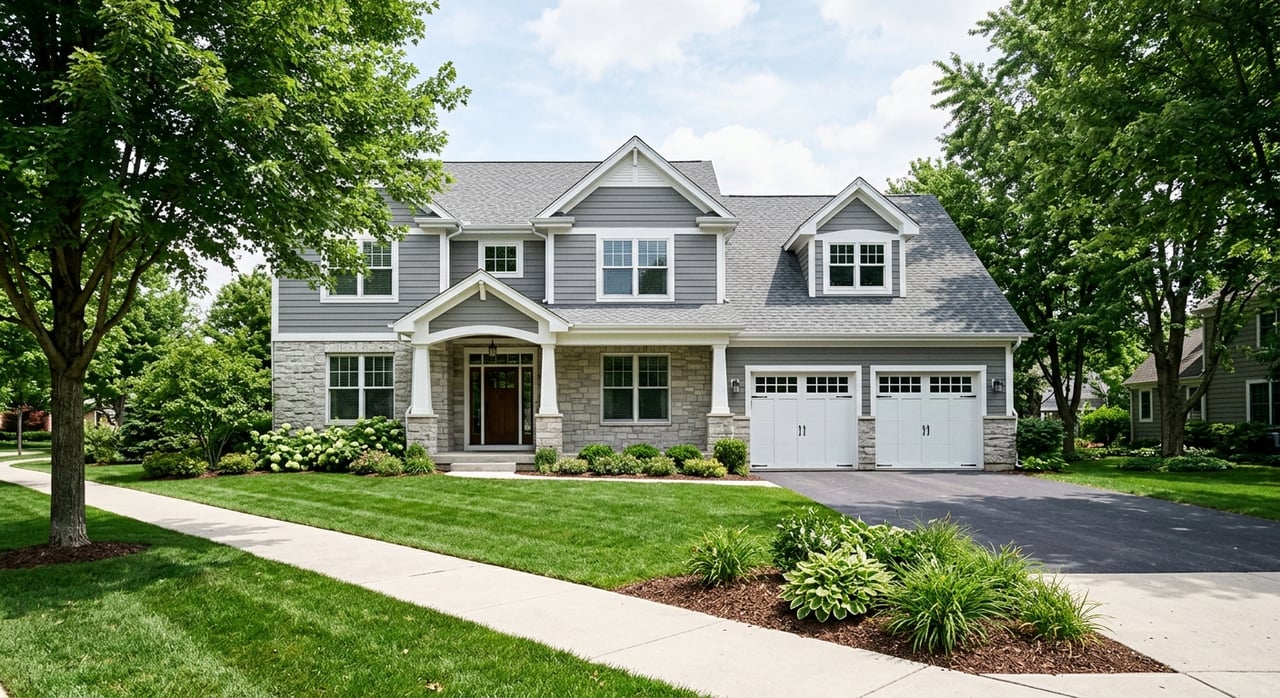
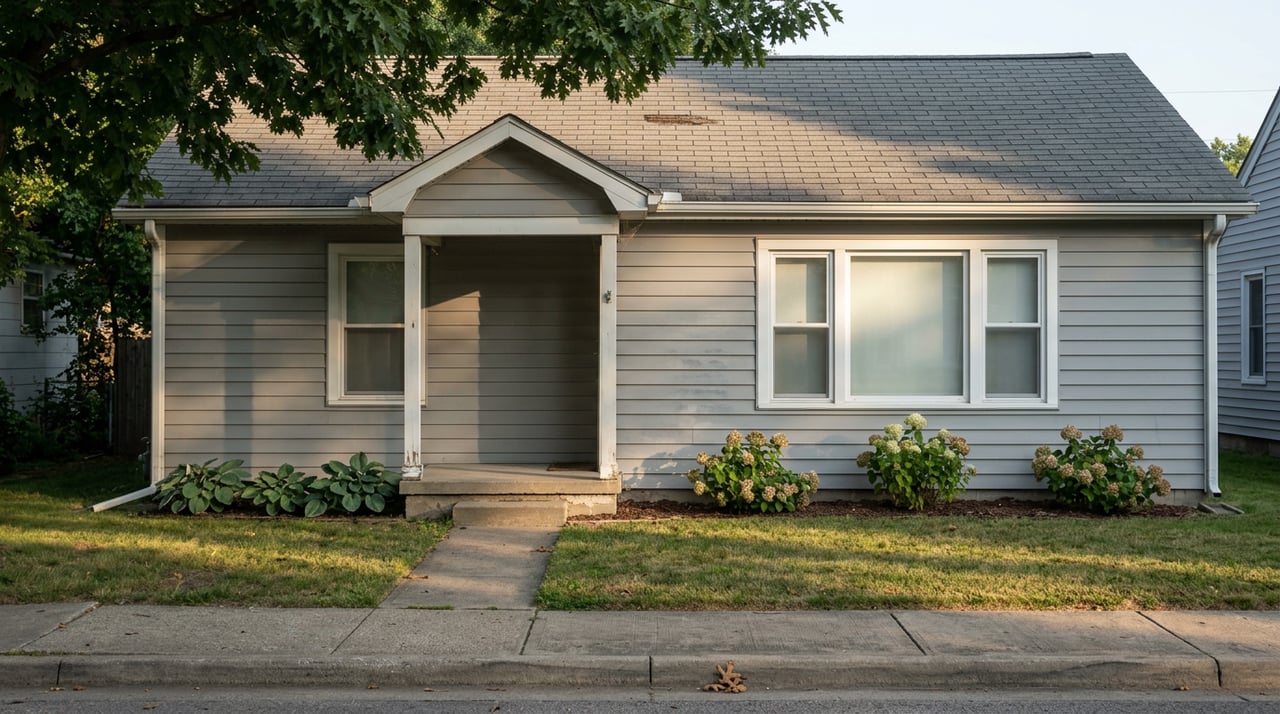
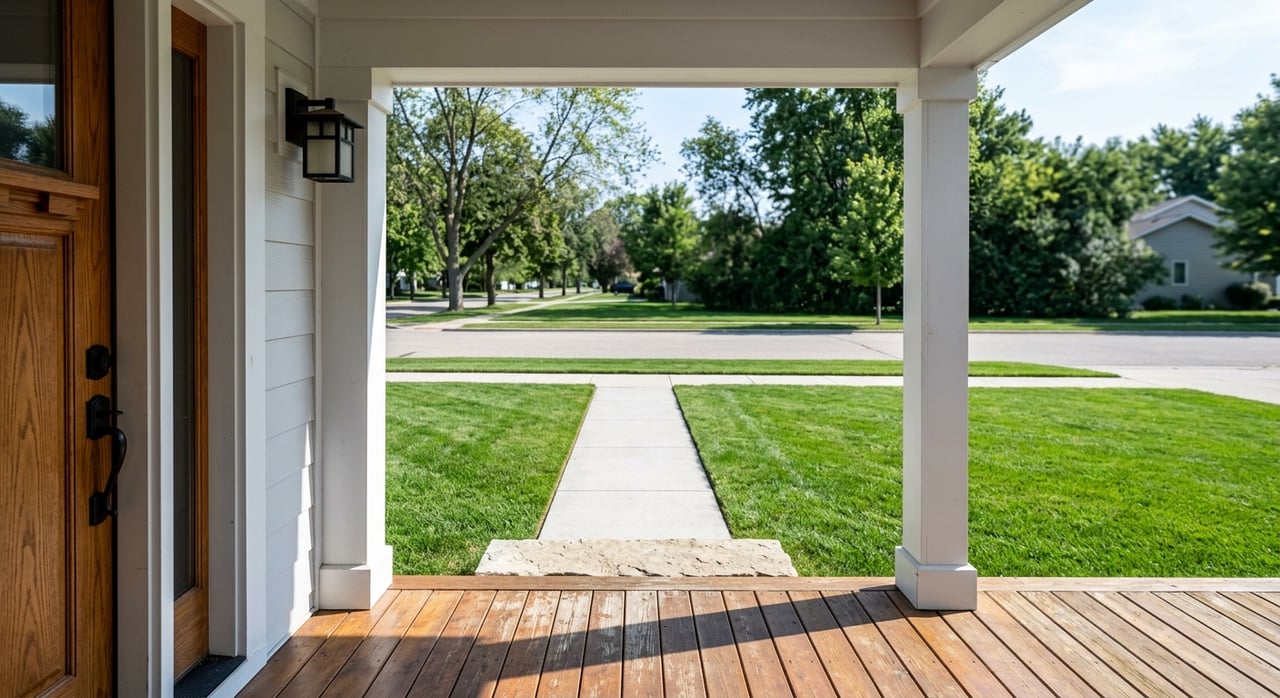
Away from the downtown core, Pontiac follows a classic Midwestern small-city pattern. The city’s layout and census data show compact residential blocks with detached homes, practical lot sizes, and a stable owner-occupied base surrounding the center of town.
This kind of setting can work well if you want a straightforward neighborhood feel without being far from daily needs. In a market with modest density and short local travel times, many in-town areas can still keep you close to parks, services, and shopping while offering a little more separation from the busiest central streets.
The latest Census QuickFacts puts the mean travel time to work at 16.7 minutes. That reinforces the idea that Pontiac’s neighborhoods are part of a compact local market where errands, work, and recreation often stay within a short drive.
If you are comparing homes across Pontiac, in-town residential blocks offer a balance between convenience and quieter day-to-day living. These areas wrap around downtown in a way that keeps the city connected and accessible.
For many buyers, that can mean more options in home style, lot size, and price point while still staying plugged into the city’s core amenities. It is often a practical fit for people who want a traditional neighborhood setting in a small Illinois city.
One of Pontiac’s most appealing lifestyle features is how much of daily life can connect to parks and outdoor space. The city says it has 10 parks covering more than 120 acres, along with a community recreation center that includes an indoor track, pool, fitness classes, and youth and adult sports.
Pontiac also offers a recreation complex with fields and courts, Draco Dog Park, and a municipally operated golf course. That range of amenities gives you more than just a few green spaces. It supports regular routines like walking, exercising, meeting friends, or spending time outdoors close to home.
Chautauqua Park is one standout example. At 26.5 acres, it includes pavilions, playground equipment, a disc golf course, and one of the city’s three swinging bridges. If you enjoy nearby recreational options, homes near parks may offer a very different daily rhythm than homes centered around downtown access.
The Vermilion River is another part of Pontiac’s outdoor appeal. Visit Pontiac highlights fishing, kayaking, and canoeing along stretches that move from city parks into more natural scenery. That gives the city a nice blend of neighborhood living and nature access without needing to leave town.
Humiston Woods strengthens that feeling even more. A large preserve northwest of town with seven trails, picnic areas, a fishing pond, and canoe access. A meaningful outdoor asset for Pontiac residents.
Pontiac’s trail network is not just an idea on paper. The city’s 2026 capital plan says the trails master plan calls for nearly 30 miles of on- and off-street trail components, and the trail map shows routes connecting parks, river crossings, schools, and open edges of the city.
That matters because it points to a lifestyle where walking and biking can be part of your routine, not just an occasional weekend activity. If you care about being able to move around town in a more active way, this kind of planning can make a real difference in how a neighborhood feels over time.
For buyers, park-adjacent and trail-connected areas may be especially worth watching. Access to recreation often shapes how often you actually use it, and in Pontiac, many of those connections appear built into the city’s layout.
As you move outward from the core, Pontiac opens toward farmland and less intense development. Based on the city’s setting, trail map, and the open land surrounding the built-up area, the outer edges of town feel less urban than central Pontiac.
That may appeal to you if you want a little more breathing room while still staying tied to town amenities. Edge-of-town areas can offer a different sense of pace, especially for buyers who value a calmer setting or want easier access to rural roads and open space.
This part of Pontiac may also be worth exploring if you are interested in the broader central Illinois landscape. While the city itself remains compact, its outer edges connect more visibly to the region’s agricultural setting.
Driving is the most direct way to move around Pontiac and reach nearby communities. The city sits about 100 miles south of Chicago along Interstate 55 and Old Route 66, which helps connect residents to a wider part of Illinois.
Pontiac also has Amtrak service, which adds flexibility for regional travel. According to Pontiac Tourism, the station at 721 W. Washington St. offers daily service on the Lincoln Service and Texas Eagle lines to Chicago, Joliet, Bloomington-Normal, Springfield, and St. Louis, and it includes an enclosed waiting area and free parking.
Within town, Pontiac adds a few smaller-scale conveniences that fit its community feel. The Jolly Trolley operates most Saturdays in spring, summer, and fall between major historic and tourism sites, and local taxi service is available.
The best part of Pontiac for you depends on how you want your days to look. If you enjoy murals, museums, historic surroundings, and easy access to public spaces, downtown may be the best fit. If you want a more traditional residential setting, the in-town blocks around the core may offer the balance you need.
If outdoor access matters most, focus on homes near parks, the Vermilion River, or trail connections. If you prefer a less built-up feel, the outer edges of town may be more your speed.
As you compare options, it helps to think beyond the house itself. Your commute, your weekend routine, and how often you want to be near parks or downtown activity can all shape which area feels most like home.
If you are thinking about buying, selling, or renting in Pontiac, working with a local team can make it easier to match your goals with the right part of town. Chismarick Realty, LLC offers practical, neighborly guidance across central Illinois and can help you make sense of what fits your next move.
Stay up to date on the latest real estate trends.
Connect with real estate professionals who value trust, insight, and personal attention. Every step is guided by a deep understanding of what “home” truly means.