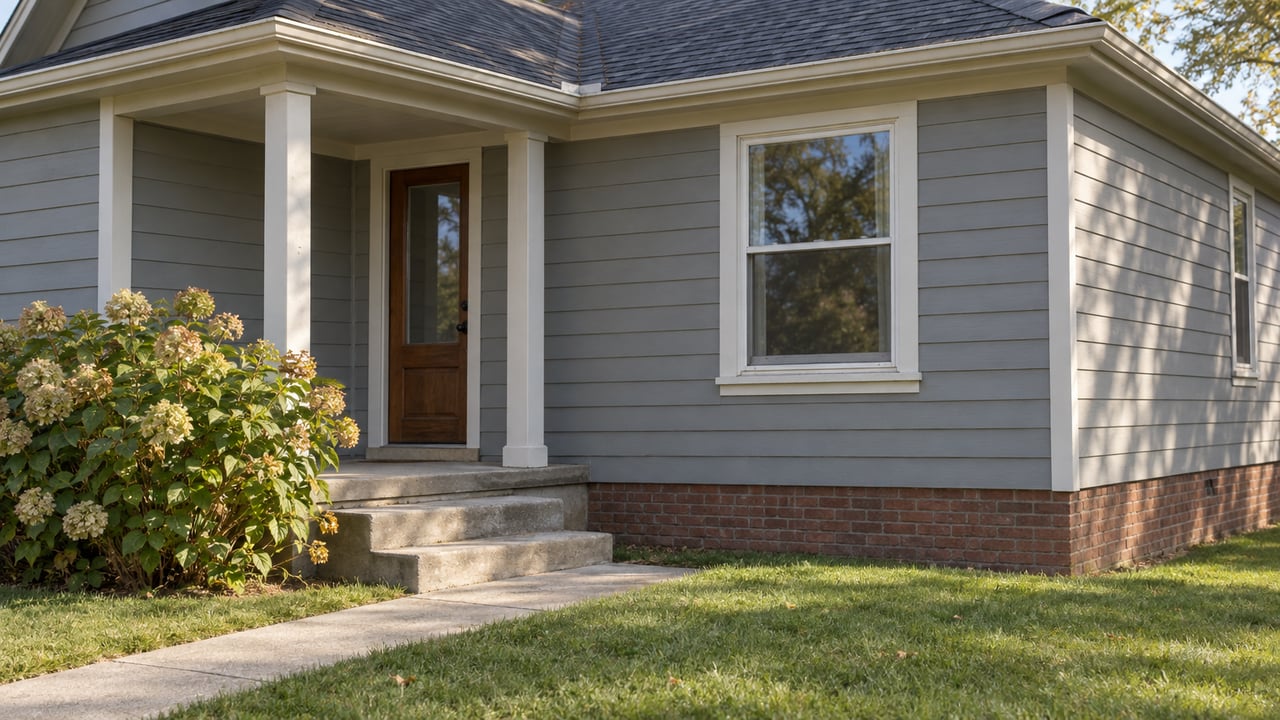
The Home Inspection Streator Doesn't Require, and the One It Does
September 30, 2026
September 30, 2026
If you're selling a single-family home in Streator, no one from the city is coming out to inspect it before you close. That surprises people, because it isn't how it works everywhere in Illinois. A number of towns across the state require sellers to schedule a municipal inspection before a deed can transfer, and buyers and sellers who've moved from one of those towns often assume Streator works the same way. It doesn't, at least not for the transaction most people are picturing.
But Streator does inspect something. If the home you're closing on is going to be a rental, a completely separate process kicks in, one that has nothing to do with the sale itself and everything to do with what you plan to do with the property afterward.
Point-of-sale inspection programs are common enough in Illinois that they shape expectations statewide. Sparta requires a home inspection before closing for a $75 fee. Steger charges $50 for the same requirement. Stickney requires an inspection plus a final water reading taken three days before closing. Stone Park pairs its $50 inspection with its own water reading rule. These aren't obscure exceptions. Illinois REALTORS tracks municipal inspection requirements across the state precisely because so many communities have adopted them, and the rules vary enough from town to town that agents and title companies have to check each one individually before a closing date gets set.
That's the backdrop a lot of sellers carry into a Streator listing. They've either sold a house somewhere with a point-of-sale program, or they've heard about one from a friend, a coworker, or a previous transaction in a nearby town. The natural next question is what Streator's version of that inspection looks like, how much it costs, and how far in advance it needs to be scheduled.
The honest answer is that there isn't one. Illinois REALTORS' own municipal chart lists Streator's building department line directly and confirms no home inspection requirement for single-family sales. That's not a gap in the data. It's the same conclusion across separate editions of the same statewide chart, years apart, which is about as settled as this kind of local detail gets.
Without a city inspection standing between contract and closing, a Streator single-family sale runs on the same track most Illinois transactions run on. Your attorney or title company still handles the usual closing paperwork. And regardless of what the city does or doesn't require, the state and county still get paid.
Attorneys' Title Guaranty Fund explains that Illinois charges a real estate transfer tax, collected through revenue stamps sold by the county recorder. The state's share is fifty cents per five hundred dollars of value, and a county can add its own quarter on top of that if it has adopted the county tax. That's part of the closing paperwork, and it's worth confirming the exact combined rate with the LaSalle County Recorder's Office when you're pricing out closing costs, since the county portion isn't universal statewide.
What Streator doesn't add on top of that is a separate municipal sign-off tied to the sale of an owner-occupied home. No scheduled inspection appointment. No final walk-through with a city inspector standing in for the buyer's own choice of home inspector.
That changes the moment the property in question is a rental. Streator's own building department maintains a Rental Dwelling Unit Registration and Pre-Inspection Guide for Landlords, listed directly in the city's public document center alongside its other building and permit forms. It exists precisely because the city treats rental housing as a distinct category, separate from the sale of a house someone plans to live in themselves.
Under that structure, a rental property in Streator carries its own registration requirement. That's a meaningfully different obligation than anything a typical single-family seller encounters, and it's one that falls on whoever owns the property once it's being rented, not on the person selling it as an owner-occupant.
If you're buying a Streator property with the intention of renting it out, whether that's a small multi-unit building or a single-family home you plan to lease, this is the point where the rules diverge from what a straightforward home purchase would involve. A few things worth doing before you close:
None of this shows up in the disclosure packet for a standard single-family sale, because it isn't triggered by the sale. It's triggered by the use.
Illinois' inspection landscape is a patchwork by design. Each municipality decides for itself whether to layer a code-compliance check onto ordinary home sales, and Streator has made the choice to keep that layer out of standard resale transactions while still applying oversight to rental housing specifically. Separating owner-occupied sales from rental registration isn't unusual among Illinois towns that maintain any kind of housing compliance program. What matters for a buyer or seller here is knowing which side of that line a given transaction falls on before assumptions from a different town creep into the timeline.
For a seller moving out of a home they've lived in, that split is good news. There's no inspection appointment competing for space on the calendar, no list of city-mandated repairs standing between an accepted offer and a closing date. For someone buying with rental intent, it's the opposite. The obligation doesn't disappear. It just moves from the closing table to a separate city process that has its own paperwork and its own timeline, one that's worth starting before you're counting on rent showing up on a specific date.
Does Streator require a home inspection before I can sell my house? Not for a standard single-family sale. Illinois REALTORS' statewide inspection tracking confirms Streator has no home inspection requirement tied to an owner-occupied sale, unlike several other Illinois municipalities that do require one.
What if I'm buying a property to rent it out? A separate registration and inspection process applies to rental dwelling units in Streator. Contact the building department before closing to understand where a specific property stands.
Who do I actually call to confirm current requirements? The Streator building department can be reached at 815-672-2517. Requirements can be updated by ordinance, so confirming directly before you list or close is worth the phone call, especially if you're buying with rental intent.
Does the transfer tax apply regardless of any of this? Yes. Transfer-tax costs run independently of whether the property is owner-occupied or a rental, and independently of any inspection question.
Selling a home in Streator or buying one with tenants in mind involves two different sets of rules, and knowing which one applies before you sign anything saves a lot of guesswork later. Chismarick Realty, LLC works through both sides of that distinction with clients regularly, from owner-occupant sales to rental purchases, and can walk you through exactly what applies to your specific property before you list or close. Contact Us.
This article is general information, not legal, tax or financial advice. Consult a qualified professional about your situation.
Stay up to date on the latest real estate trends.
Connect with real estate professionals who value trust, insight, and personal attention. Every step is guided by a deep understanding of what “home” truly means.