
How To Prepare To Sell Your Streator Home
July 9, 2026
July 9, 2026
Selling a home can feel overwhelming, especially when you are trying to decide what actually matters before you list. If you are getting ready to sell in Streator, you want a plan that helps you spend wisely, avoid delays, and price your home for the market that exists right now. This guide walks you through the key steps, from prep work to disclosures to pricing, so you can move forward with more confidence. Let’s dive in.
Before you clean a closet or schedule photos, it helps to understand the market you are selling into. Public data points to a Streator market that is still affordable but price-sensitive, which means buyers are paying attention to condition, value, and pricing from day one.
Recent snapshots vary by source, but they all point to the same practical takeaway. Redfin reported a median sale price of $134,919 over the three months ending May 2026, average days on market of 73, and 52 homes sold in May. Zillow showed a typical home value of $129,279, 64 homes for sale, and a median list price of $145,300 as of May 31, 2026, while Realtor.com listed a median listing price of $149,000, median days on market of 40, and 99 active listings.
Those numbers are not meant to be used as a shortcut for your list price. Each platform uses different timing and methods, so the smartest move is to rely on current local comparable sales instead of old list prices, broad county numbers, or statewide averages.
You do not need to renovate everything to make your home more market-ready. In many cases, the best return comes from visible, practical improvements that help buyers feel the home is clean, cared for, and easy to picture themselves in.
If you only do a few things before listing, start here. Deep cleaning, removing extra furniture, clearing countertops, and organizing storage spaces can make rooms look larger, brighter, and easier for buyers to understand.
Many seller agents recommend decluttering or correcting property faults first. That makes this one of the most practical ways to prepare without overspending.
Focus on the rooms buyers tend to care about most. According to the 2025 staging report, the living room, primary bedroom, and kitchen had the biggest impact.
That does not mean every other space should be ignored. It simply means those key areas often deserve the most attention because they shape a buyer’s first impression and help support your asking price.
Small repairs can carry more weight than big projects. A dripping faucet, broken light fixture, damaged trim, loose handrail, or peeling paint can make buyers wonder what else has been overlooked.
LaSalle County’s assessor notes that market value depends on factors like location, surrounding properties, and amenities, and that most normal maintenance does not raise assessment while improvements can. For sellers, that is another reason to focus on condition and presentation first rather than assume a major upgrade will always pay off.
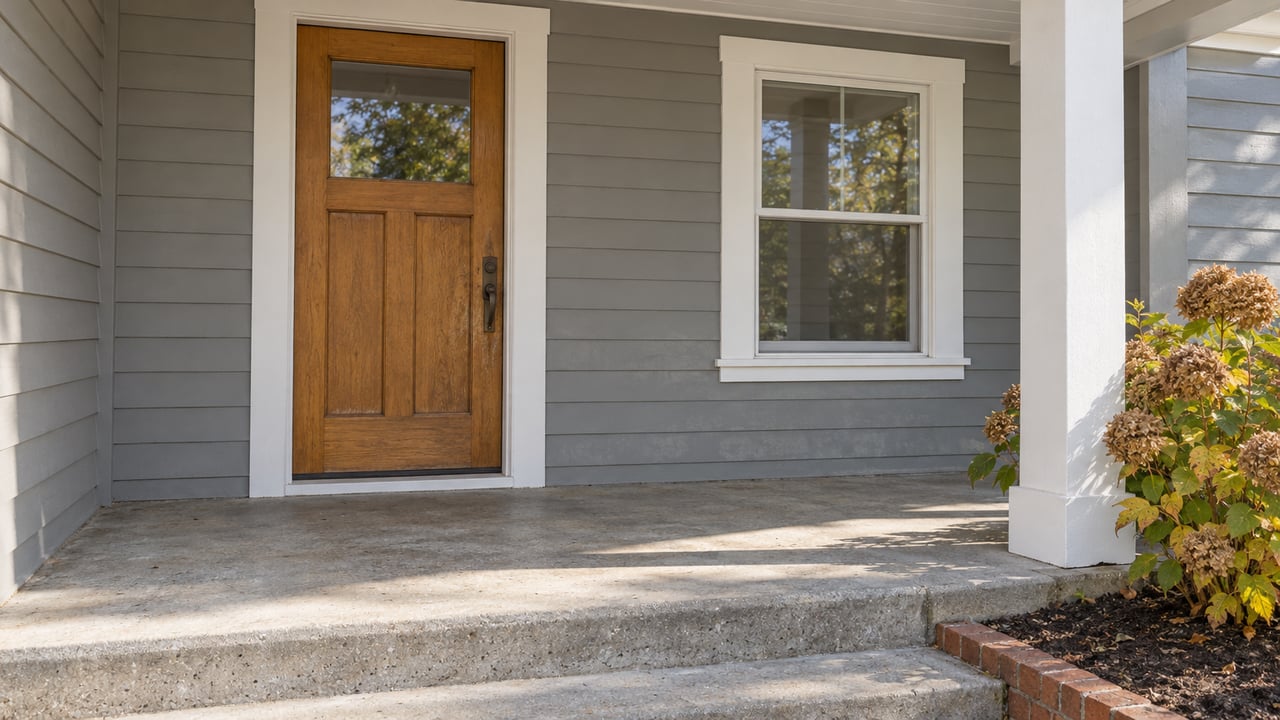
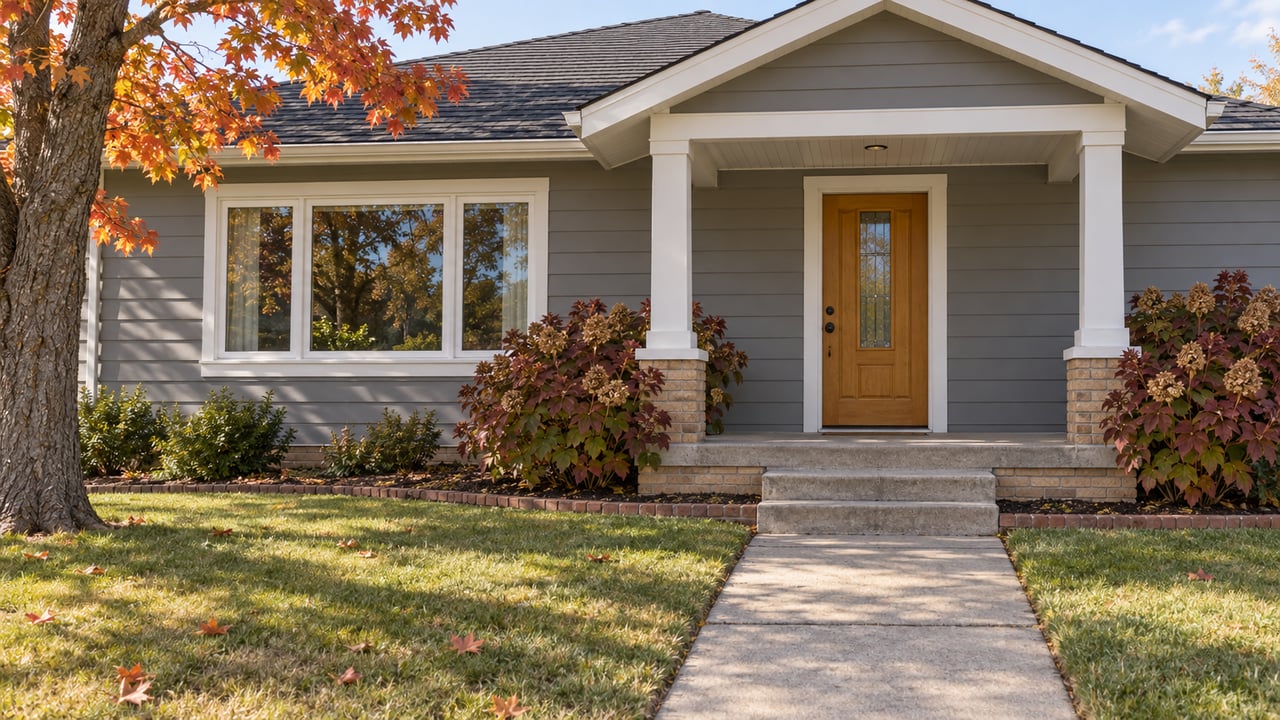
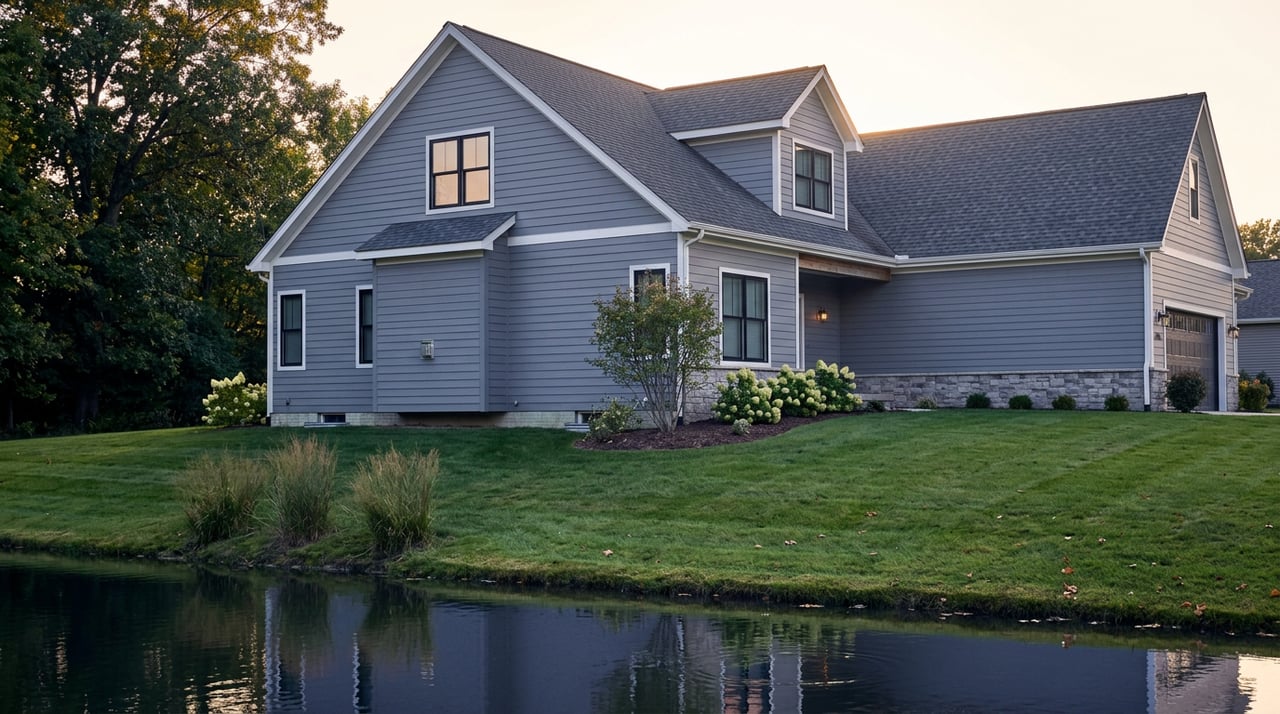
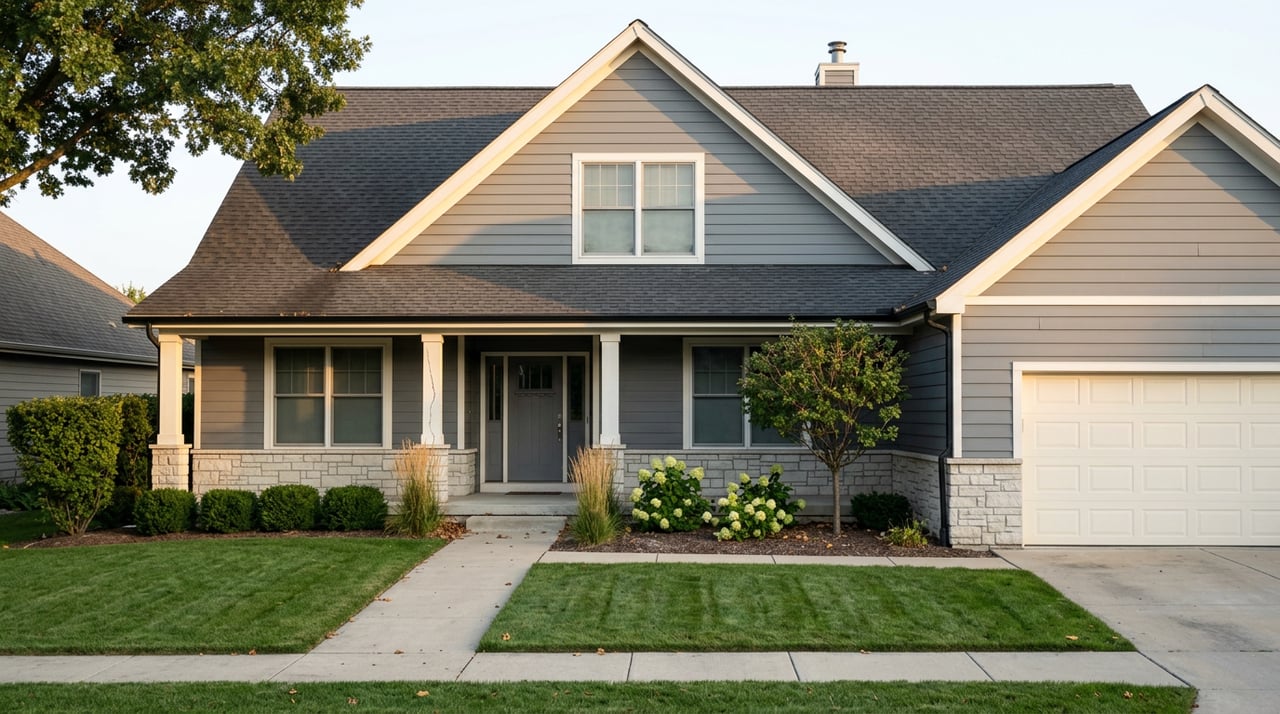
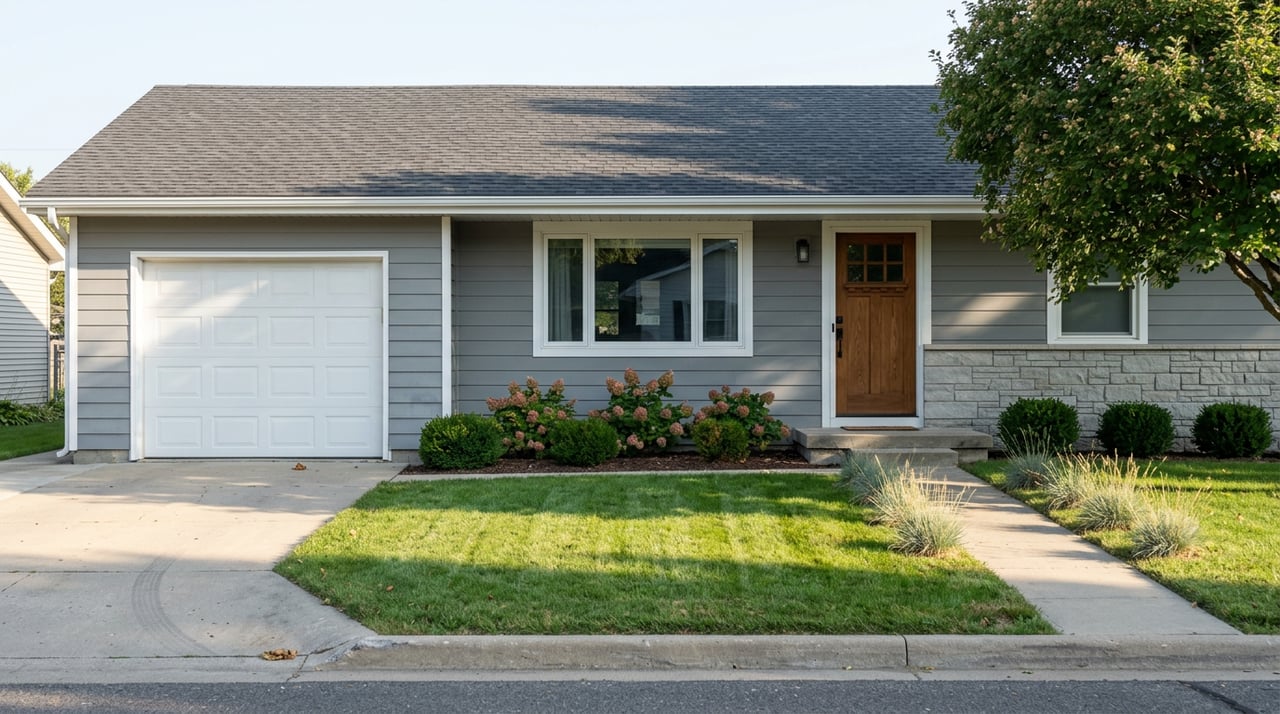
Your home starts selling before a buyer walks through the front door. Exterior appearance sets the tone for the entire showing, especially in a market where buyers may compare several homes in the same price range.
Simple curb appeal steps can go a long way:
These are not flashy changes, but they can help your home feel better maintained and more inviting from the start.
One of the easiest ways to reduce stress later is to start your paperwork early. Illinois requires sellers of covered residential property transfers to complete the Residential Real Property Disclosure Report and deliver it before a contract is signed.
If you later learn that something in the disclosure was incorrect or incomplete before closing, a supplemental disclosure is required. The law also gives buyers the right to terminate if the report is not provided, so this is not a step to leave until the last minute.
It is important to answer disclosure questions carefully and truthfully. Under Illinois law, a seller who knowingly violates the disclosure requirements or provides false information can be liable for actual damages, court costs, and attorney’s fees.
If you are unsure about a past issue, repair, or condition, take time to review your records before your home goes live. Clear documentation now can help avoid trouble later.
If your home was built before 1978, federal lead-based paint rules apply. Sellers must disclose known lead-based paint hazards, provide any available records, give the required EPA pamphlet, and allow the buyer the opportunity for an inspection period.
In a community with older housing stock, this can be especially important. Getting these materials together early helps keep the transaction moving once you find a buyer.
Illinois guidance says sellers must disclose unsafe radon concentrations if they are known. If the home has been tested, those results must also be disclosed.
Testing or mitigation is not required just to sell the property. Still, if you already have radon information, you should be ready to share it.
Many sellers focus on preparing the house but forget to prepare for closing details. A little planning here can help you avoid surprises when you get to the settlement table.
Illinois real estate transfer tax is $0.50 for each $500 of value or fraction of that amount. Counties may add $0.25 per $500. Property tax questions, including valuation, exemptions, and prorations, are handled locally, so Streator sellers should look to the county assessor and local tax offices for the most relevant information.
Pricing is one of the biggest decisions you will make, and it should not be a guess. A strong pricing strategy takes into account your home’s size, condition, amenities, location, recent comparable sales, and current market conditions.
That is especially true in Streator, where public sites can show different inventory counts and different days-on-market figures. Instead of asking, “What do I hope to get?” the better question is, “What are similar homes actually closing for right now?”
A list price should be based on recent comparable sales, not on what a neighbor asked six months ago or what a statewide median happens to be. Local comps matter because buyer expectations, property condition, and price sensitivity can vary a lot from one part of the market to another.
This is where hyperlocal knowledge becomes valuable. The best comparable set for your home may depend on its age, lot, style, updates, and even the pace of activity in that part of Streator.
You always have the final say on your asking price, but your timing goals should be part of the conversation. If you need a faster sale, a more competitive price may help attract stronger interest earlier.
It also helps to remember that the highest offer is not always the best one. Terms like cash, contingencies, and overall reliability can matter just as much as the headline number.
If you want the process to feel manageable, keep the order simple. Most Streator sellers benefit from handling the basics in this sequence:
This approach helps you avoid rushing to market before the home is ready. It also gives buyers a better first impression and supports a more realistic pricing conversation.
Selling a home is a big step, but it does not have to feel chaotic. When you prepare in the right order and stay grounded in current Streator market conditions, you put yourself in a better position for a smoother sale. If you want practical, local guidance on pricing, prep, and next steps, connect with Chismarick Realty, LLC.
Stay up to date on the latest real estate trends.
Connect with real estate professionals who value trust, insight, and personal attention. Every step is guided by a deep understanding of what “home” truly means.